Iceland volcano cams
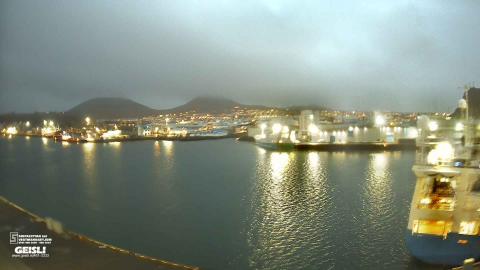
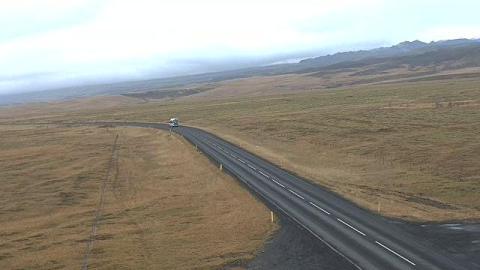
Iceland sits on the Mid-Atlantic Ridge, where two tectonic plates pull apart, and above a hotspot that feeds some of the most active volcanoes in Europe. Its cams cover the recent eruptions on the Reykjanes Peninsula, famous volcanoes such as Hekla, Katla and Eyjafjallajökull, the island town of Heimaey and the shield volcano Skjaldbreiður.
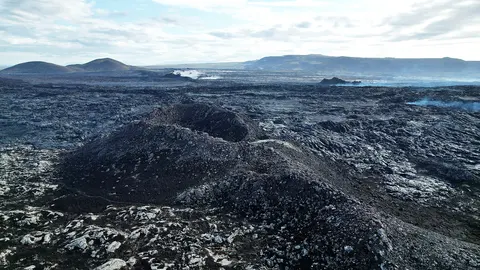
Photos: Reykjanes Peninsula (Sundhnúkur): Steinninn, CC BY 4.0.
About Icelandic eruptions
Many Icelandic eruptions open as long fissures that pour out fluid lava, like those near Grindavík since late 2023. Others happen under ice, where meltwater makes them explosive and can release sudden glacial floods, as at Katla and Eyjafjallajökull. They often start with little warning after weeks of ground uplift and earthquake swarms, which is why these cams are worth keeping an eye on even when nothing is happening.
Volcanoes that changed things elsewhere
Eyjafjallajökull is on this list for what happened in 2010, when ash from an eruption under its ice cap closed most of European airspace for days — a small eruption by Icelandic standards that turned out to matter a great deal. Hekla, which medieval writers took for an entrance to hell, erupted four times in the second half of the twentieth century and usually gives less than an hour of warning. On Heimaey, the town woke in January 1973 to a fissure opening at the edge of the houses; the cone it built, Eldfell, is now part of the island, and islanders sprayed seawater on the advancing lava to keep the harbour open.
Who runs these cams
Icelandic broadcasters stream the Reykjanes eruption area around the clock, and the Live from Iceland network, run by the telecom company Míla, has cameras on volcanoes, glaciers and the Westman Islands.
When to watch
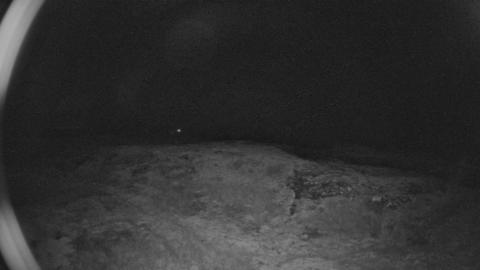
Iceland stays on UTC all year, so local time matches London in winter and lags it by an hour in summer. In winter the days are short, which suits glowing lava, and the northern lights turn up in the same frames; in June there is almost no darkness at all. Wind and driving rain are the usual reason a camera shows nothing.