Volcano cams with a clear view now
Clouds are the main reason a volcano cam shows nothing. This page sorts every volcano on the site by the cloud cover forecast over its summit right now, so you can go straight to the ones worth watching.
Based on the MET Norway cloud forecast for each summit, updated every 30 minutes.
Clear and in daylight 5
The best chance of a sharp view of the mountain itself.

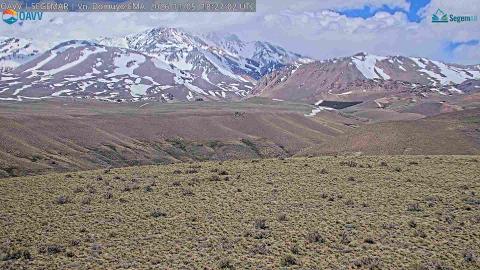
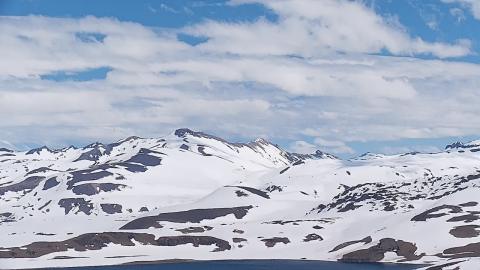
Clear and dark 24
Look for the glow of lava and hot vents, especially on erupting volcanoes and thermal cams.
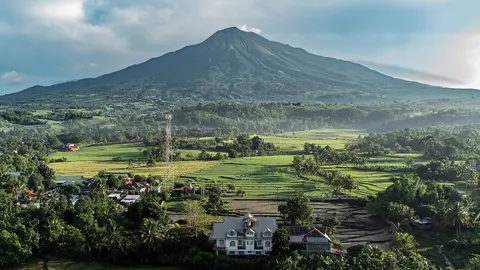 Erupting
Kanlaon
1 live cam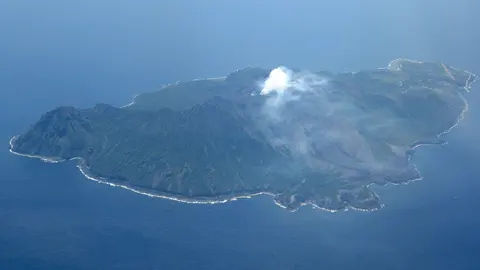 Erupting
Suwanosejima
2 live cams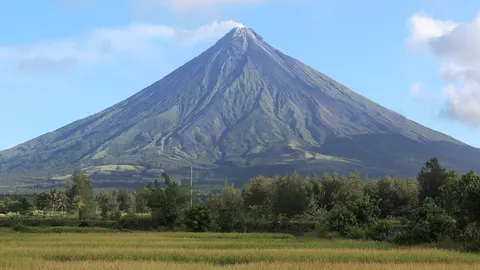 Erupting
Mayon Volcano
1 live cam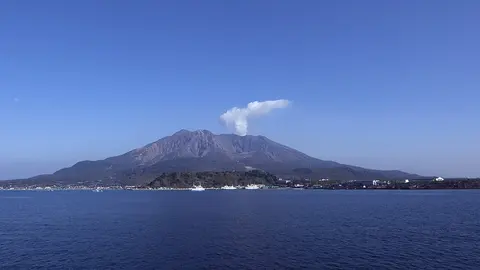 Erupting
Sakurajima
6 live cams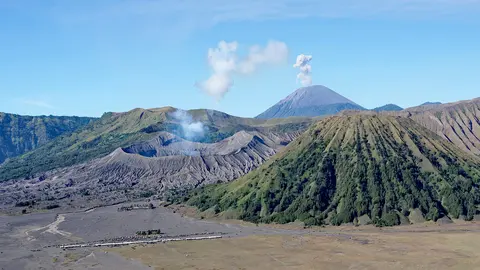 Erupting
Semeru
2 live cams
Mount Unzen
2 live cams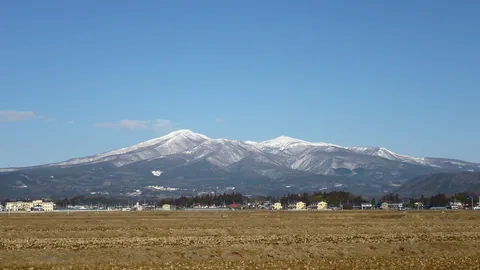
Mount Adatara
2 live cams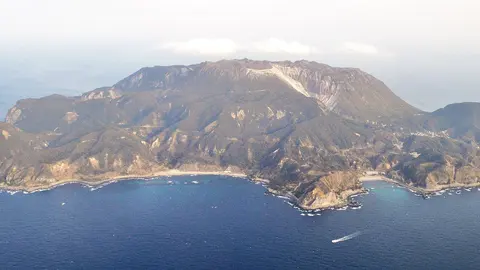
Kōzushima
1 live cam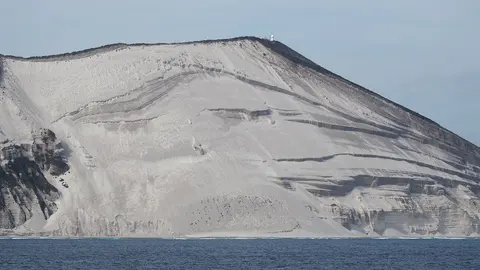
Niijima
1 live cam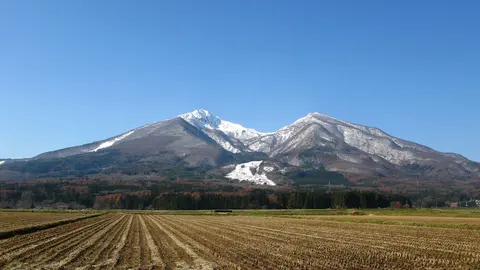
Mount Bandai
2 live cams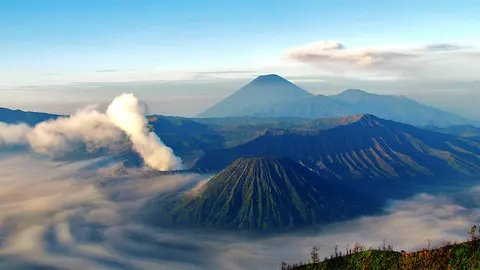
Mount Bromo
1 live cam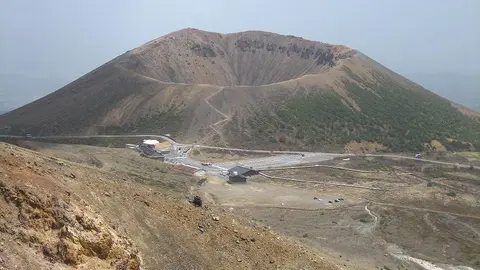
Mount Azuma
1 live cam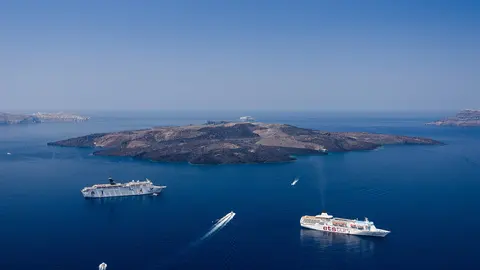
Santorini
2 live cams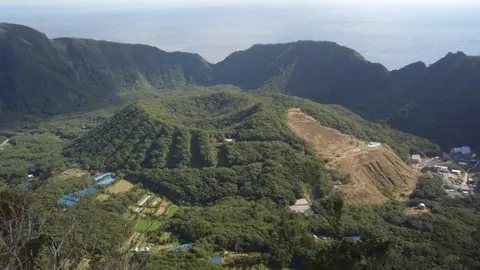
Aogashima
1 live cam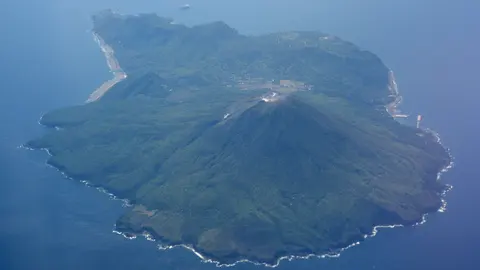
Nakanoshima
1 live cam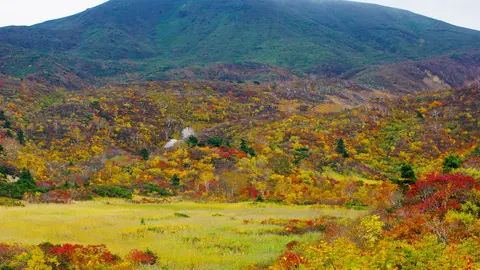
Mount Kurikoma
1 live cam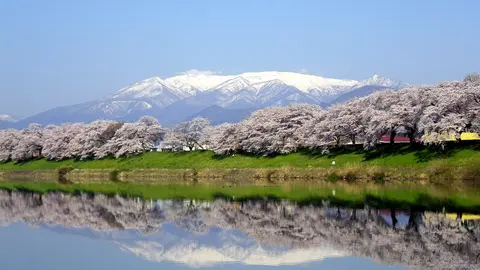
Mount Zaō
1 live cam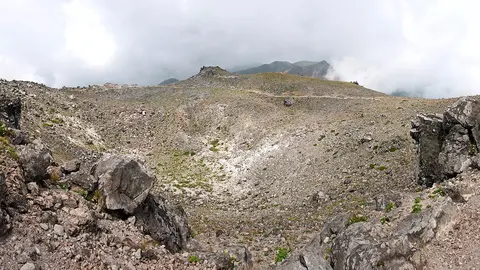
Mount Nasu
2 live cams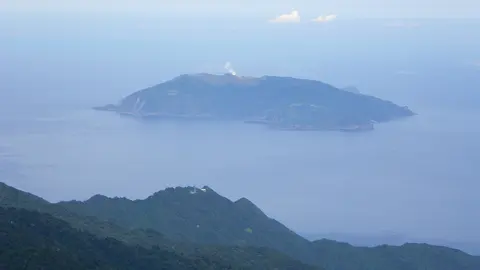
Kuchinoerabujima
2 live cams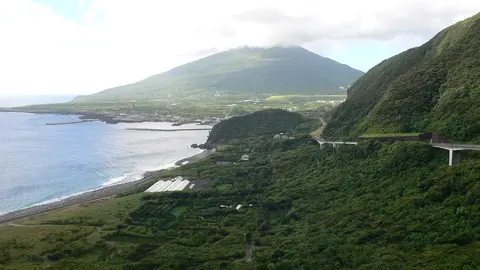
Hachijōjima
1 live cam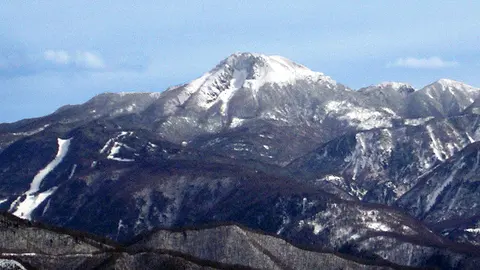
Mount Nikkō-Shirane
2 live cams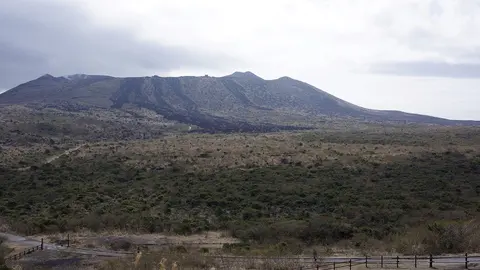
Izu Ōshima
1 live cam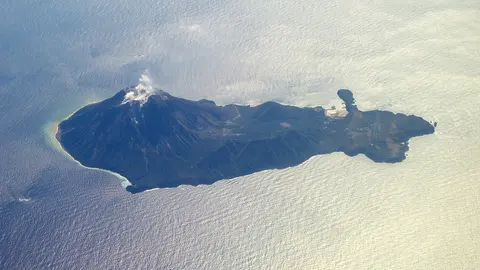
Satsuma-Iōjima
1 live cam
Kirishima (Shinmoedake)
3 live camsCloudy at the moment
- Popocatépetl Mexico 48% cloud, clearer around 12:00 am local time
- Stromboli Italy 50% cloud, clearer around 12:00 am local time
- Great Sitkin United States 86% cloud
- Volcán de Fuego Guatemala 95% cloud, clearer around 10:00 am local time
- Kīlauea United States 95% cloud
- Santa María Guatemala 95% cloud, clearer around 10:00 pm local time
- Mount Merapi Indonesia 98% cloud
- Mount Etna Italy 100% cloud
- Mount Ruapehu New Zealand 98% cloud
- Whakaari / White Island New Zealand 100% cloud, clearer around 11:00 am local time
- Kusatsu-Shirane Japan 35% cloud, clearer around 11:00 am local time
- Semisopochnoi United States 40% cloud, clearer around 5:00 pm local time
- Mount Asama Japan 41% cloud, clearer around 5:00 pm local time
- Teide Spain 43% cloud
- Crater Lake United States 50% cloud, clearer around 1:00 pm local time
- Mount Vesuvius Italy 51% cloud
- Rincón de la Vieja Costa Rica 52% cloud
- Campi Flegrei Italy 66% cloud
- Nevado del Ruiz Colombia 66% cloud
- Mauna Loa United States 70% cloud, clearer around 8:00 pm local time
- Three Sisters United States 70% cloud, clearer around 1:00 pm local time
- Niigata-Yakeyama Japan 73% cloud, clearer around 10:00 am local time
- Piton de la Fournaise France 73% cloud, clearer around 8:00 am local time
- Mauna Kea United States 74% cloud, clearer around 9:00 pm local time
- Mount Fuji Japan 77% cloud, clearer around 6:00 pm local time
- Mount Iwate Japan 78% cloud
- Mount Cleveland United States 82% cloud
- Akita-Yakeyama Japan 82% cloud
- Mount Hakone Japan 86% cloud, clearer around 10:00 am local time
- Mount Hakkōda Japan 89% cloud, clearer around 11:00 am local time
- Mount Esan Japan 89% cloud, clearer around 10:00 pm local time
- Mount Haku Japan 90% cloud
- Mount Norikura Japan 90% cloud, clearer around 11:00 am local time
- Poás Volcano Costa Rica 91% cloud
- Volcán de Colima Mexico 91% cloud, clearer around 2:00 am local time
- Shishaldin United States 93% cloud
- Mount Rainier United States 93% cloud
- Mount Tsurumi Japan 93% cloud, clearer around 6:00 am local time
- Sangay Ecuador 94% cloud
- Izu-Tōbu Japan 94% cloud, clearer around 3:00 pm local time
- Copahue Argentina 95% cloud, clearer around 10:00 am local time
- Haleakalā United States 98% cloud
- Mount Hood United States 99% cloud, clearer around 1:00 pm local time
- Mount Chōkai Japan 99% cloud
- Mount Spurr United States 100% cloud, clearer around 1:00 am local time
- Augustine Volcano United States 100% cloud
- Mount Redoubt United States 100% cloud
- Mount St. Helens United States 100% cloud
- Yellowstone Caldera United States 100% cloud
- Reykjanes Peninsula (Sundhnúkur) Iceland 100% cloud
- Mount Aso Japan 100% cloud, clearer around 10:00 pm local time
- Tongariro and Ngāuruhoe New Zealand 100% cloud
- Taranaki Maunga New Zealand 100% cloud
- Eyjafjallajökull Iceland 100% cloud
- Eldfell and Heimaey Iceland 100% cloud
- Skjaldbreiður Iceland 100% cloud
- Mount Tokachi Japan 100% cloud, clearer around 2:00 pm local time
- Mount Komagatake Japan 100% cloud, clearer around 9:00 am local time
- Mount Baker United States 100% cloud
- Mount Usu Japan 100% cloud, clearer around 9:00 am local time
- Taisetsuzan Japan 100% cloud, clearer around 3:00 pm local time
- Kuttara Japan 100% cloud, clearer around 9:00 am local time
- Mount Meakan Japan 100% cloud, clearer around 4:00 pm local time
- Atosanupuri Japan 100% cloud, clearer around 5:00 pm local time
- Lanín Argentina 100% cloud
- Mount Iwaki Japan 100% cloud, clearer around 10:00 am local time
- Mount Kujū Japan 100% cloud, clearer around 5:00 pm local time
- Mount Ontake Japan 100% cloud, clearer around 10:00 am local time
- Mount Tarumae Japan 100% cloud, clearer around 10:00 am local time
Photos: authors and licences of the 26 images
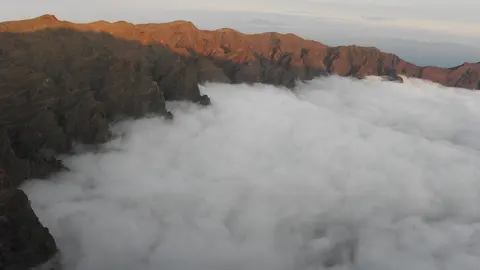
- Caldera de Taburiente: Christoffer H. Støle, CC BY-SA 3.0
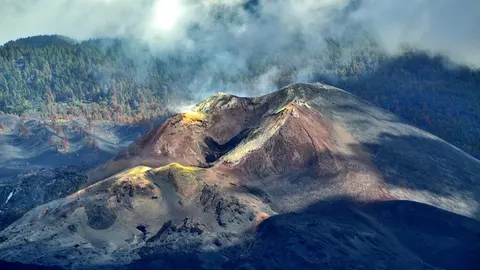
- Tajogaite (Cumbre Vieja): Rolfcosar, CC BY-SA 4.0
- Kanlaon: Bien02, CC BY 4.0
- Suwanosejima: Ray_go, CC BY-SA 3.0
- Mayon Volcano: Patrickroque01, CC BY-SA 4.0
- Sakurajima: TANAKA Juuyoh (talk), CC BY 3.0
- Semeru: Jakub Hałun, CC BY-SA 4.0
- Mount Unzen: Wikimedia Commons, public domain
- Mount Adatara: Ski Mania, public domain
- Kōzushima: Saigen Jiro, public domain
- Niijima: Ka23 13, CC BY-SA 4.0
- Mount Bandai: Qwert1234, CC BY-SA 3.0
- Mount Bromo: Riza Nugraha, CC BY 2.0
- Mount Azuma: Brian Adler, public domain
- Santorini: Norbert Nagel, CC BY-SA 3.0
- Aogashima: Soica2001, public domain
- Nakanoshima: Ray_go, CC BY-SA 3.0
- Mount Kurikoma: Tomofumi Sato, CC BY-SA 3.0
- Mount Zaō: ChampagneFight, public domain
- Mount Nasu: Σ64, CC BY-SA 3.0
- Kuchinoerabujima: As6022014, CC BY-SA 3.0
- Hachijōjima: akabane_hiro2, CC BY-SA 2.0
- Mount Nikkō-Shirane: E-190, CC BY-SA 3.0
- Izu Ōshima: Kentaro Ohno, CC BY 2.0
- Satsuma-Iōjima: Ray_go, CC BY-SA 4.0
- Kirishima (Shinmoedake): 名古屋太郎, CC BY-SA 3.0
How this page works
We re-read the MET Norway forecast for the summit area of each volcano through the day, as often as MET Norway itself updates it. A volcano appears as clear when less than 30% of the sky above it is expected to be cloudy. Those in daylight come first; after them, the clear ones where it is already dark, which are the best places to look for the glow of lava.
A forecast is not a measurement, and fog or low cloud can hide a summit even when the sky above it is clear. Mountains also make their own weather: clouds often build over high peaks from late morning, so the clearest views tend to come early in the day. For each cloudy volcano, the list at the end gives the time of the next clear spell expected in the coming 24 hours.
What "clear" is worth on different volcanoes
Clear sky means different things depending on what the camera is pointed at. On a volcano that is erupting, a clear summit is the whole point: it is the difference between seeing an ash plume and its direction, and seeing grey. On a quiet snow-capped cone, clear weather gives you the mountain but little else, and the interesting light is early and late rather than at midday. And on volcanoes that steam constantly — Aso, Poás, Vulcano — the plume is there in any weather; what clear sky buys you is the chance to see how big it is.
When nothing on the list is clear
It happens, especially in the northern winter and in the Aleutians, which are among the cloudiest places on earth. Three things still work on a cloudy day. Thermal cameras read heat rather than light, so they see through fume and darkness where an ordinary camera sees nothing; Etna, Stromboli and Kīlauea all have them. Twenty-four-hour timelapses show whether the morning was clear even if right now it is not. And volcanoes are spread across every time zone, so when Japan and Indonesia are clouded over, the Andes and the Cascades are only starting their day.