Japan volcano cams
Japan has 111 active volcanoes and some of the best volcano livestreams in the world. Sakurajima explodes many times a year right across the bay from the city of Kagoshima, Suwanosejima erupts almost continuously in the remote Tokara Islands, and Mount Fuji’s cams are among the most beautiful mountain views anywhere.
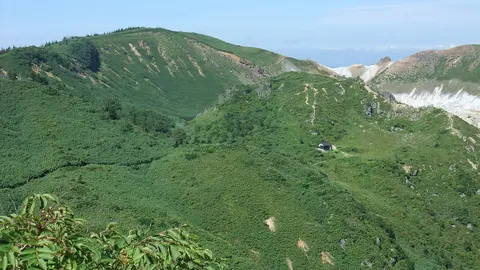
Akita-Yakeyama
1 live cam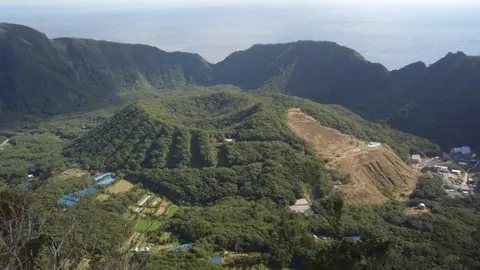
Aogashima
1 live cam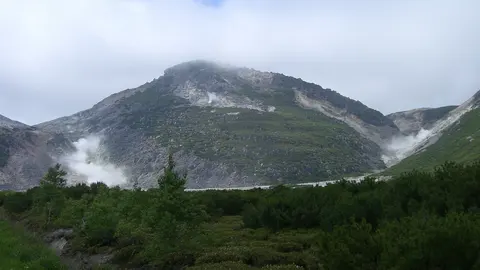
Atosanupuri
2 live cams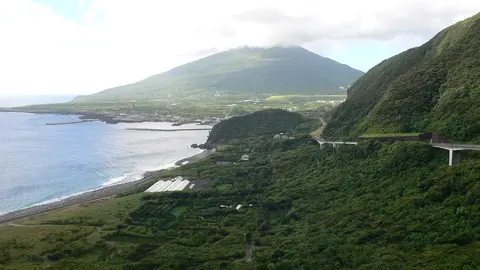
Hachijōjima
1 live cam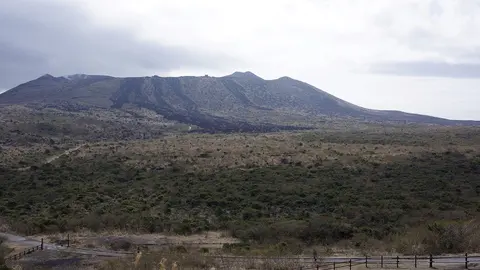
Izu Ōshima
1 live cam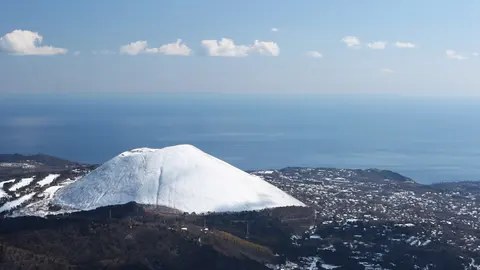
Izu-Tōbu
1 live cam
Kirishima (Shinmoedake)
3 live cams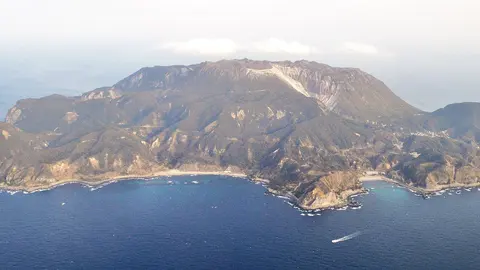
Kōzushima
1 live cam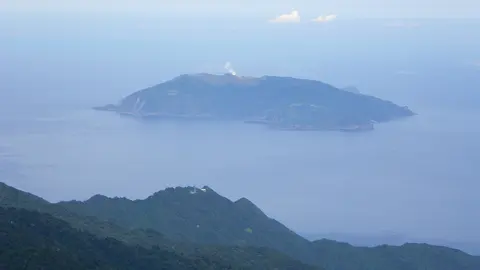
Kuchinoerabujima
2 live cams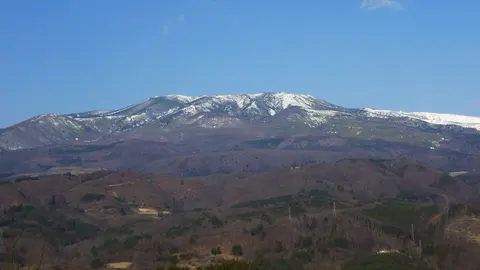
Kusatsu-Shirane
4 live cams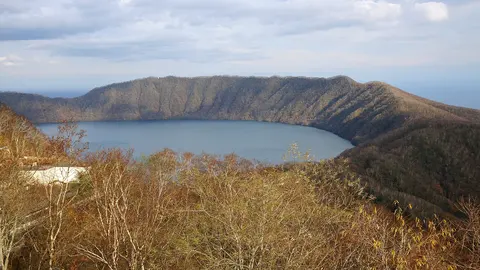
Kuttara
1 live cam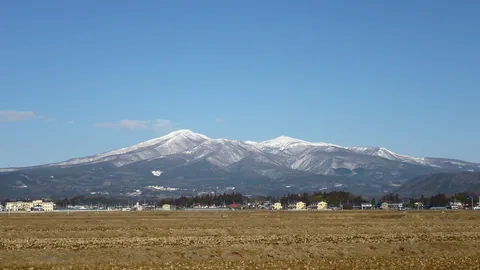
Mount Adatara
2 live cams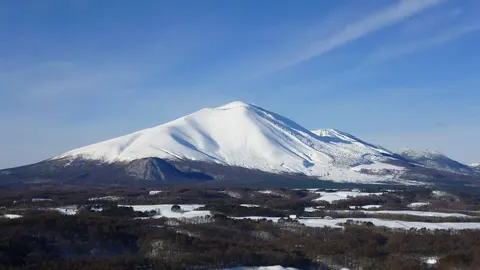
Mount Asama
5 live cams
Mount Aso
4 live cams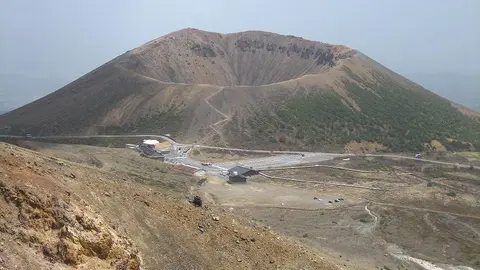
Mount Azuma
1 live cam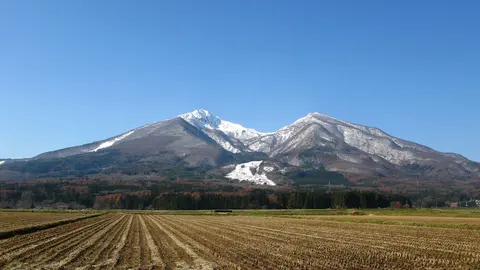
Mount Bandai
2 live cams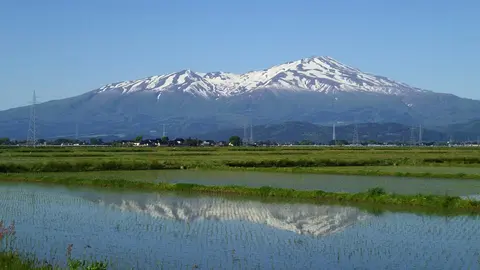
Mount Chōkai
1 live cam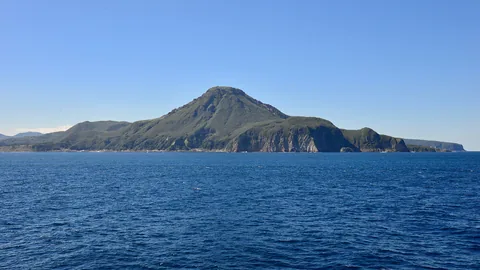
Mount Esan
2 live cams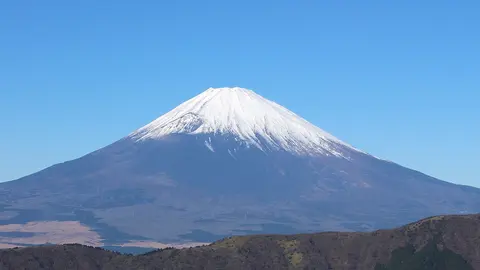
Mount Fuji
3 live cams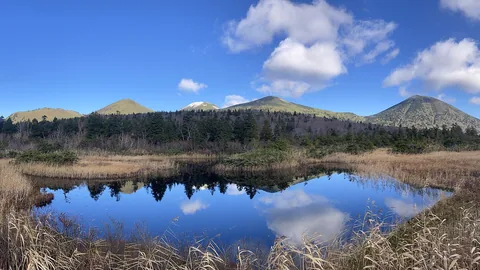
Mount Hakkōda
2 live cams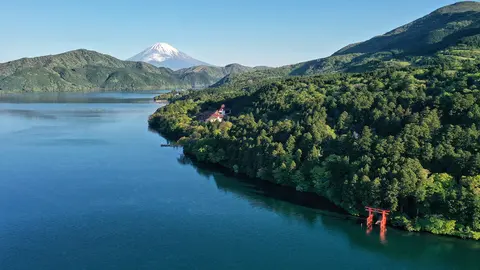
Mount Hakone
2 live cams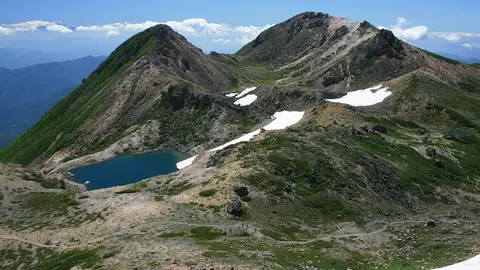
Mount Haku
1 live cam
Mount Iwaki
1 live cam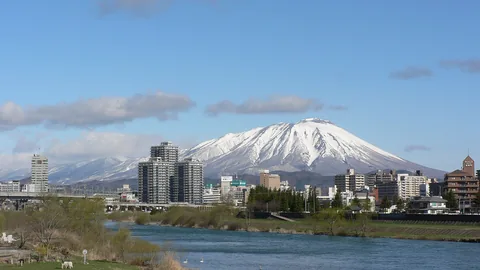
Mount Iwate
2 live cams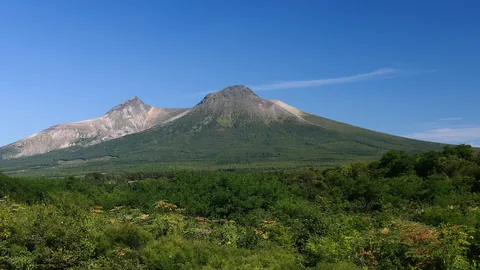
Mount Komagatake
3 live cams
Mount Kujū
3 live cams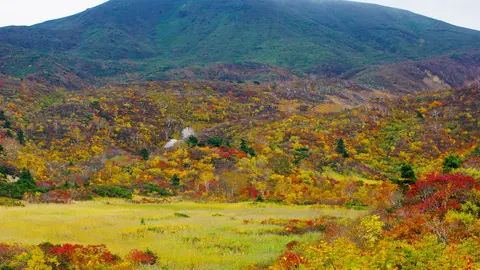
Mount Kurikoma
1 live cam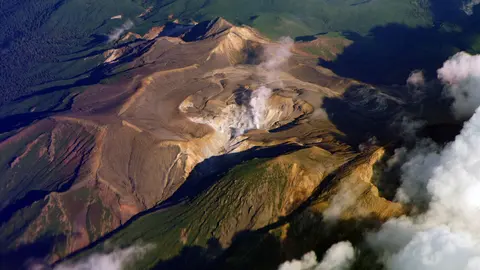
Mount Meakan
2 live cams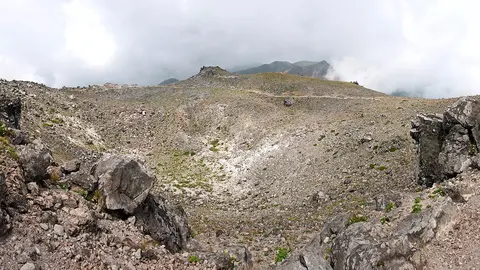
Mount Nasu
2 live cams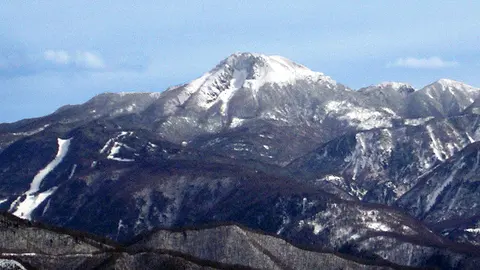
Mount Nikkō-Shirane
2 live cams
Mount Norikura
1 live cam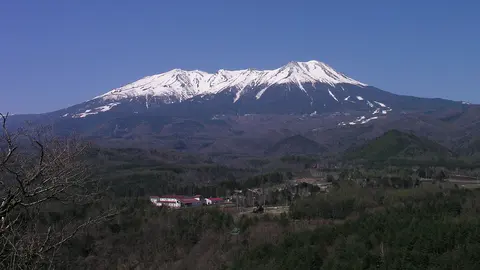
Mount Ontake
1 live cam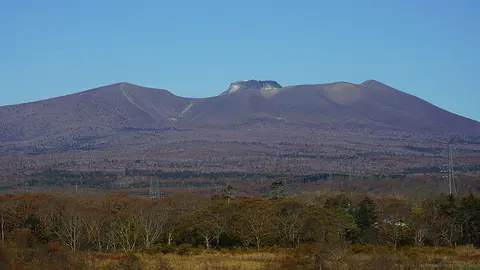
Mount Tarumae
1 live cam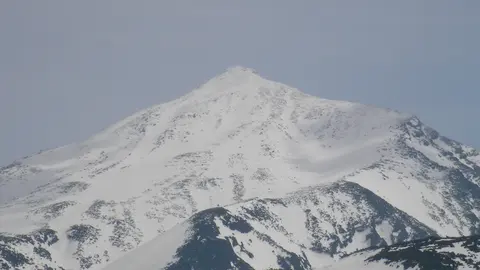
Mount Tokachi
4 live cams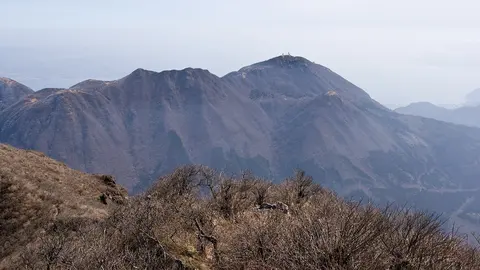
Mount Tsurumi
1 live cam
Mount Unzen
2 live cams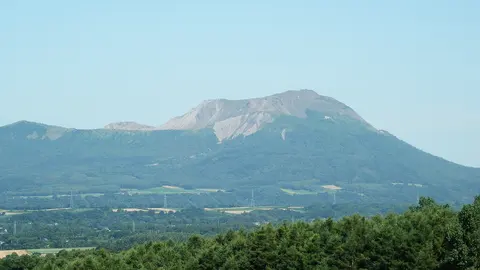
Mount Usu
2 live cams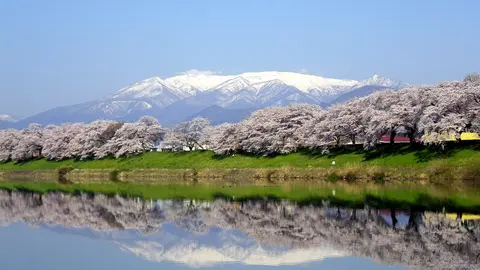
Mount Zaō
1 live cam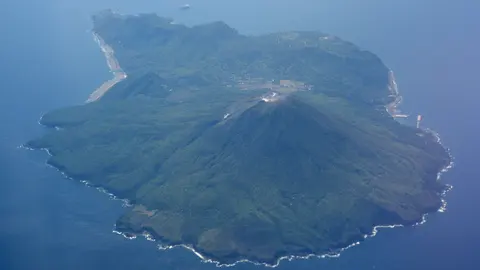
Nakanoshima
1 live cam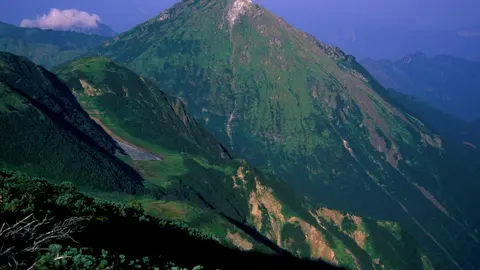
Niigata-Yakeyama
1 live cam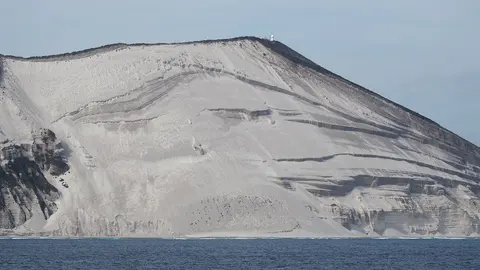
Niijima
1 live cam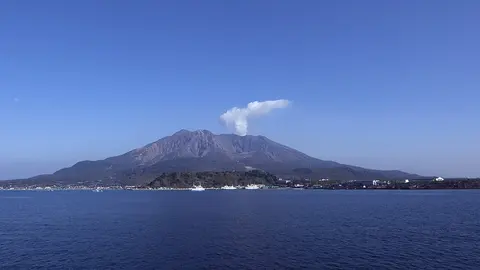 Erupting
Sakurajima
6 live cams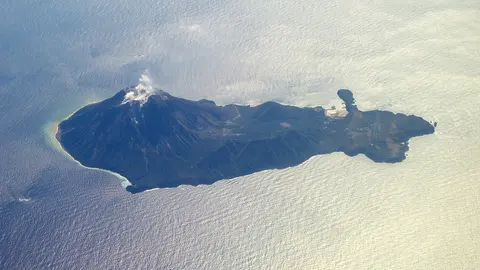
Satsuma-Iōjima
1 live cam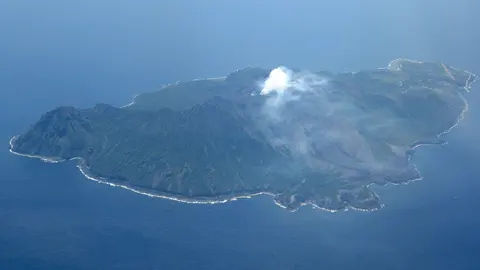 Erupting
Suwanosejima
2 live cams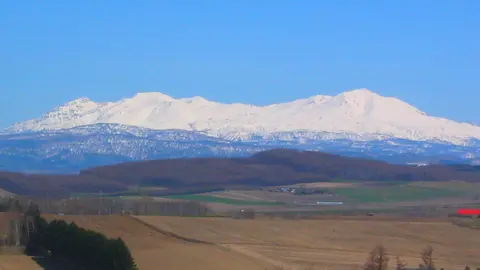
Taisetsuzan
2 live cams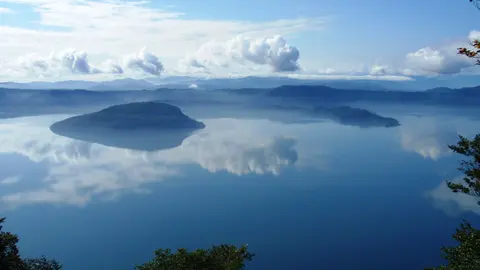 Not live now
Lake Towada
1 camPhotos: authors and licences of the 46 images
- Sakurajima: TANAKA Juuyoh (talk), CC BY 3.0
- Mount Aso: Sonata / Sonata at ja.wikipedia, CC BY-SA 3.0
- Mount Fuji: Suicasmo, CC BY-SA 4.0
- Mount Asama: Ski Mania, public domain
- Kirishima (Shinmoedake): 名古屋太郎, CC BY-SA 3.0
- Kusatsu-Shirane: Ski Mania, public domain
- Mount Unzen: Wikimedia Commons, public domain
- Mount Tokachi: Bigunitbigdaddy, public domain
- Suwanosejima: Ray_go, CC BY-SA 3.0
- Mount Iwate: yisris, CC BY-SA 2.0
- Mount Hakkōda: Mccunicano, CC BY-SA 4.0
- Mount Adatara: Ski Mania, public domain
- Mount Komagatake: MaedaAkihiko, CC BY-SA 4.0
- Mount Esan: 皓月旗, CC BY-SA 4.0
- Mount Zaō: ChampagneFight, public domain
- Mount Usu: Wakimasa, CC BY-SA 3.0
- Mount Bandai: Qwert1234, CC BY-SA 3.0
- Taisetsuzan: No machine-readable author provided. Shoyuramen assumed (based on copyright claims)., public domain
- Kuttara: 663highland, CC BY 2.5
- Aogashima: Soica2001, public domain
- Mount Meakan: 663highland, CC BY 2.5
- Satsuma-Iōjima: Ray_go, CC BY-SA 4.0
- Akita-Yakeyama: らんで, public domain
- Atosanupuri: Miya.m, CC BY-SA 3.0
- Mount Chōkai: kyohei ito, CC BY-SA 2.0
- Hachijōjima: akabane_hiro2, CC BY-SA 2.0
- Kuchinoerabujima: As6022014, CC BY-SA 3.0
- Mount Kurikoma: Tomofumi Sato, CC BY-SA 3.0
- Nakanoshima: Ray_go, CC BY-SA 3.0
- Mount Nasu: Σ64, CC BY-SA 3.0
- Mount Azuma: Brian Adler, public domain
- Mount Hakone: Charlie fong, CC BY-SA 4.0
- Mount Haku: Alpsdake, CC BY-SA 3.0
- Mount Iwaki: ak15, CC BY 3.0
- Izu Ōshima: Kentaro Ohno, CC BY 2.0
- Izu-Tōbu: Batholith, public domain
- Kōzushima: Saigen Jiro, public domain
- Mount Kujū: Ans, CC BY-SA 3.0
- Niigata-Yakeyama: Alpsdake, public domain
- Niijima: Ka23 13, CC BY-SA 4.0
- Mount Nikkō-Shirane: E-190, CC BY-SA 3.0
- Mount Norikura: kiwa dokokano, CC BY-SA 3.0
- Mount Ontake: Atsushi Ueda, CC BY-SA 3.0
- Mount Tarumae: Ray Swi-hymn, CC BY-SA 2.0
- Lake Towada: Soica2001, public domain
- Mount Tsurumi: Σ64, CC BY 3.0
Who runs these cams
The Japan Meteorological Agency monitors all of Japan’s active volcanoes and sets their alert levels; its surveillance cameras add a new still image every few minutes. The livestreams come from local broadcasters, companies and town halls, from Kagoshima and Kumamoto in the south to Gunma, Nagano and Hokkaido.
From Kyushu to Hokkaido
The volcanoes on this page run almost the length of the country. In the south, Sakurajima, Aso and Shinmoedake are among the most active in Japan, and Aso holds one of the largest calderas on earth. Central Honshū has Fuji, Asama and Kusatsu-Shirane, all within reach of Tokyo. Further north the mountains grow quieter but not less interesting: Adatara has a bare crater basin where a sulphur mine once worked, Iwate stands alone above the city of Morioka, and the Hakkōda range holds warm ponds between its peaks. Across the strait in Hokkaido, Komagatake lost its summit in a single eruption in 1640, and Esan has been venting sulphur without erupting since 1874.
Craters you can look into
Several of the cameras here are not aimed at a summit from far away: they sit on the rim and look down. Zaō's Okama is a crater lake whose green changes with the light; Meakan and Asahidake show their fumarole fields close up; Kuttara's Jigokudani is a whole valley of steaming ground above Noboribetsu. And two are not mountains at all but islands with a village inside the caldera — Aogashima, 360 kilometres out in the Pacific — or a cone that has been steaming without pause for thirty years, Iōdake on Satsuma-Iōjima.
From Hokkaido to the Tokara Islands
The list now runs almost the length of the country and out into the Pacific. In Hokkaido there are the fumarole fields of Atosanupuri and Asahidake and the crater of Meakan; in northern Honshū, Chōkai rising straight from the sea, Kurikoma with the earliest autumn in the country, Bandai with the hollow left by its collapse, and Zaō with its crater lake. Nasu is the closest of them to Tokyo. Out at sea there are Hachijōjima and Aogashima in the Izu chain, and Nakanoshima and Kuchinoerabujima in the south, where a volcano and a village share an island the ferry reaches twice a week.
Volcanoes and hot springs
Almost every volcano here has a hot spring town at its foot, from Kusatsu below Kusatsu-Shirane to Unzen on the Shimabara Peninsula. Many summit areas close when the alert level rises, so the cams are often the best way to see the craters.
When to watch
Japan is nine hours ahead of UTC all year. Winter usually brings the clearest skies, with snow-covered cones at their best in the early morning, while the rainy season in June and July often hides the mountains. Explosions can happen at any hour and often glow at night. In the north, snow covers the upper slopes from November until well into May.